
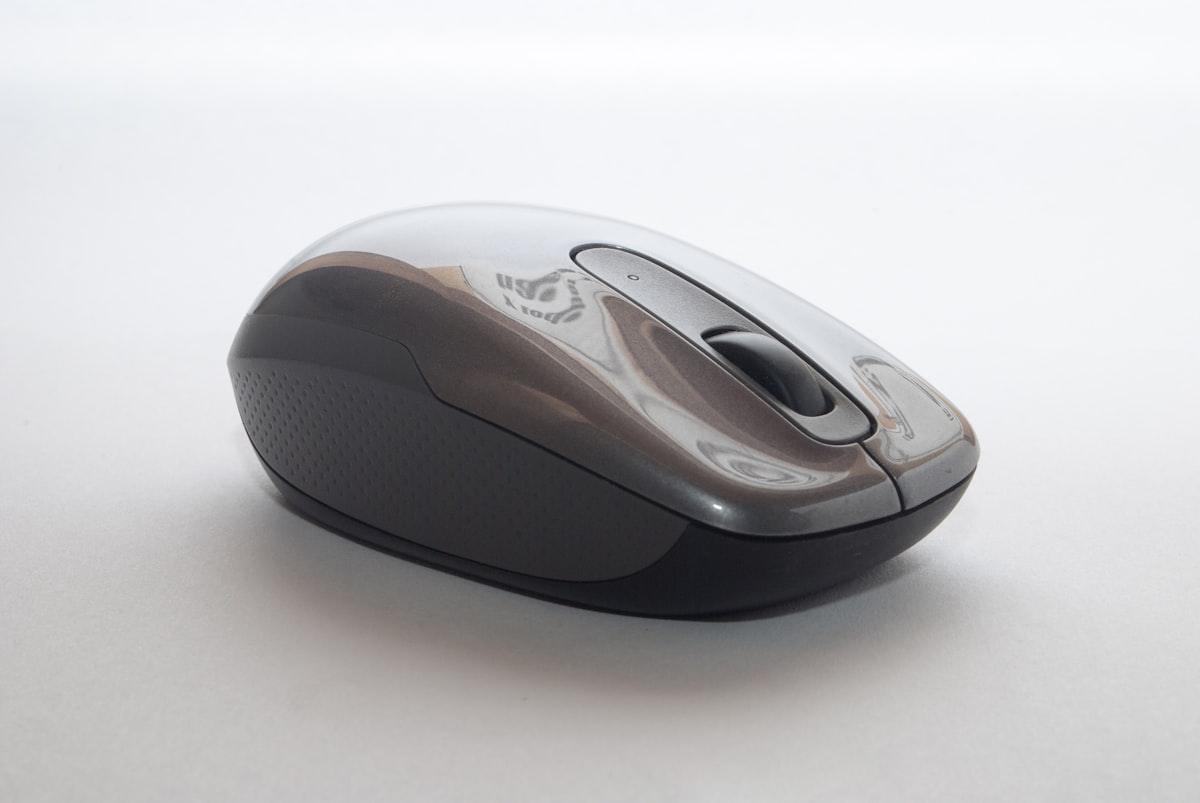
Paul Fitts and the 1954 Human Performance Law
In 1954, American psychologist Paul Fitts published The information capacity of the human motor system in controlling the amplitude of movement in the Journal of Experimental Psychology. Fitts established that rapid human targeted movements conform to a precise mathematical logarithmic model.
Fitts’s Law states that Movement Time (MT) is a function of the ratio between target distance (D) and target width (W): MT = a + b * log2(2D / W). The term log2(2D / W) is defined as the Index of Difficulty (ID), measured in bits of information.
The Two Phases of a Rapid Motor Flick
High-speed kinematic tracking of mouse movements (and finger reaching) reveals that every targeted flick consists of two distinct neuromuscular phases:
1. The Ballistic Primary Movement Phase: The motor cortex releases a pre-programmed, high-velocity burst of force through the deltoid and forearm flexors. This covers approximately 80% to 90% of the distance in the first 120–180ms with zero sensory feedback.
2. The Corrective Secondary Homing Phase: As the cursor approaches the target boundary, visual feedback in the posterior parietal cortex and cerebellum compares cursor position with target edges, initiating 1 to 3 tiny micro-adjustments (closed-loop feedback) to settle on the target.
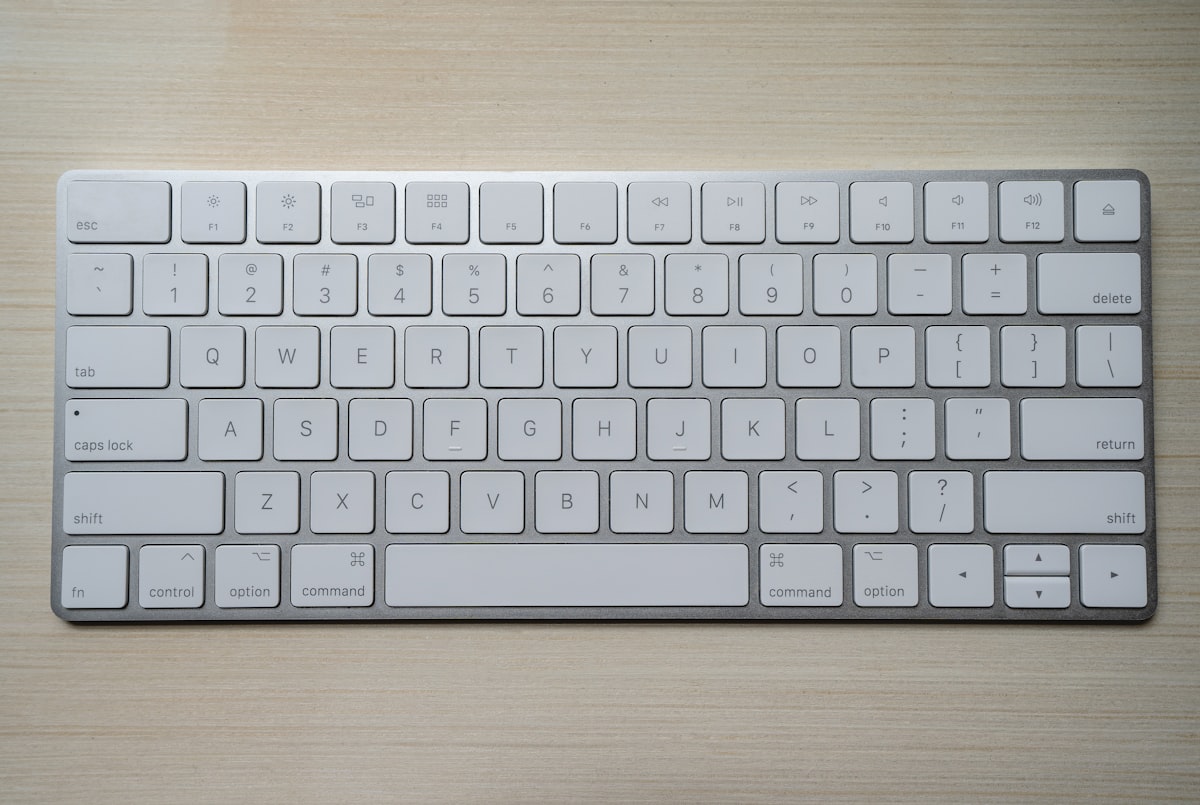
Why Screen Corners Have "Infinite Width" in UI Design
Fitts’s Law has profound implications for user interface architecture:
• The Infinite Edge / Corner Effect: In desktop operating systems (macOS Apple Menu, Windows Start Button), screen edges and corners physically block the cursor from overshooting. Because you cannot overshoot, the effective target width (W) becomes infinite, reducing the Index of Difficulty (ID = log2(2D/∞) = 0) and making corners the fastest clickable targets on a monitor.
• Pie Menus (Radial Menus): Placing options in a circular wheel around the cursor makes distance (D) equal and small for all choices while maximizing target angle, resulting in 30% faster click times than linear dropdown menus.
Aim Trainer Physics: Mouse DPI, eDPI, and Sensitivity Tuning
On the Human Benchmark Aim Trainer, your score is the average milliseconds per target across 30 targets. To optimize your Fitts’s Law throughput (Bits Per Second = ID / MT):
• Prevent Overshooting: If your sensitivity (eDPI) is too high, your ballistic flick consistently overshoots the target width (W), requiring a slow corrective reverse flick (+100–150ms penalty).
• Muscle Synergy: Use arm pivoting (large deltoid/bicep muscles) for the initial ballistic distance (D), and fine wrist/finger adjustments for the terminal target width (W) acquisition.
Touchscreen Ergonomics and Thumb Reach Zones
On mobile devices (and the Mobile Typing Test), Fitts's Law is bounded by physical thumb biomechanics. Targets placed in the bottom "Natural Thumb Arc" have lower physiological movement constants ("b"), whereas targets placed at the top corners require hand repositioning, tripling movement time.
- Fitts’s Law dictates that Movement Time depends on the ratio of target distance to target width: MT = a + b * log2(2D/W).
- Target movements consist of a fast open-loop Ballistic Phase followed by a closed-loop Visual Corrective Phase.
- Screen corners and edges possess "infinite width" because cursors cannot overshoot them, making them ultra-fast UI targets.
- Optimal aim training sensitivity minimizes corrective overshoot penalties, maximizing motor throughput in bits per second.