
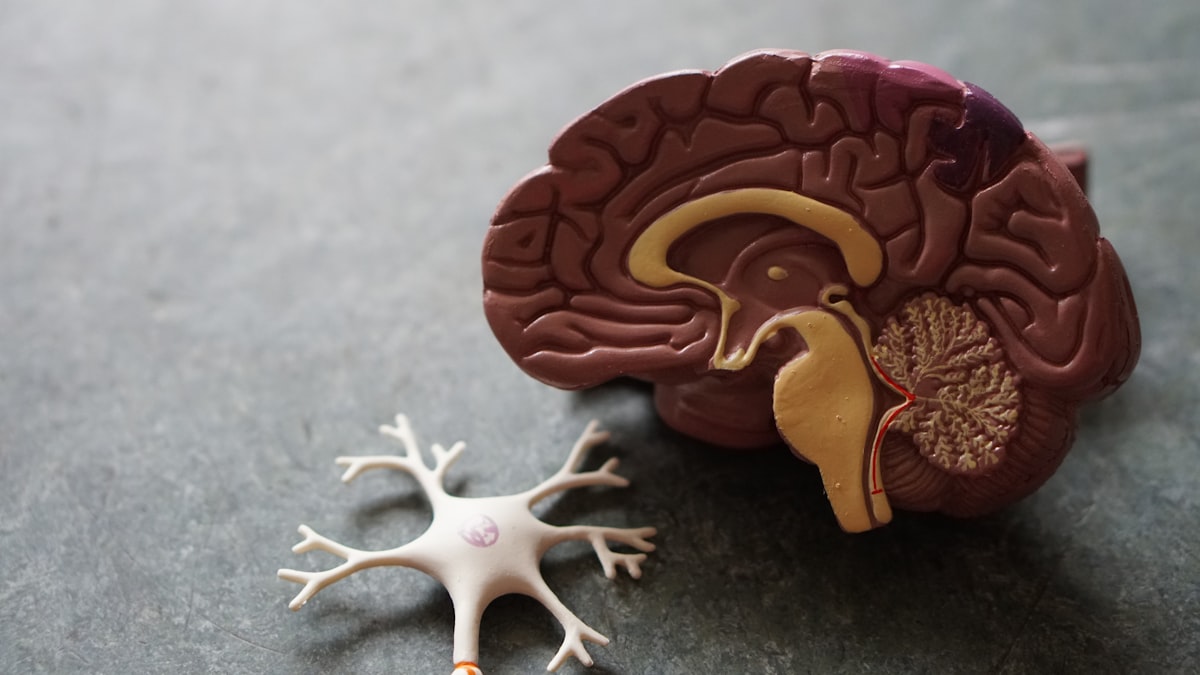
What is Working Memory? The Mental Workbench
Working memory is the active computational workspace of the human mind. Unlike passive short-term memory (which merely holds raw sensory data for a few seconds), working memory temporarily maintains, manipulates, updates, and transforms information in the service of complex cognitive tasks such as language comprehension, mental arithmetic, reasoning, and goal-directed action.
When you calculate 47 × 8 in your head, remember a sequence of flashing tiles on Human Benchmark, or track an opponent's cooldowns in a multiplayer game, you are relying entirely on working memory buffers situated in the prefrontal and parietal cortices.
The Baddeley & Hitch Multi-Component Model
In 1974, Alan Baddeley and Graham Hitch dismantled the simplistic "single storage box" model of short-term memory, replacing it with a modular multi-component architecture that remains the gold standard in cognitive psychology today:
1. The Central Executive: The master attentional controller located in the Dorsolateral Prefrontal Cortex (DLPFC). It does not store data itself; instead, it coordinates information, shifts focus between tasks, suppresses irrelevant distractors, and allocates cognitive bandwidth.
2. The Phonological Loop: Dedicated to verbal and acoustic information. It consists of two sub-parts: a passive Phonological Store ("inner ear") that holds speech sounds for 1.5–2 seconds before decay, and an active Articulatory Rehearsal Mechanism ("inner voice") that loops words subvocalizing to prevent forgetting.
3. The Visuospatial Sketchpad: The "inner eye," responsible for holding and manipulating shapes, colors, spatial coordinates, and mental rotations. Located across the right parietal and occipital cortices, it powers performance on the Visual Memory and Chimp Tests.
4. The Episodic Buffer (Added by Baddeley in 2000): A multimodal storage interface that binds information from the phonological loop, sketchpad, and long-term memory into coherent, chronological, episodic representations.
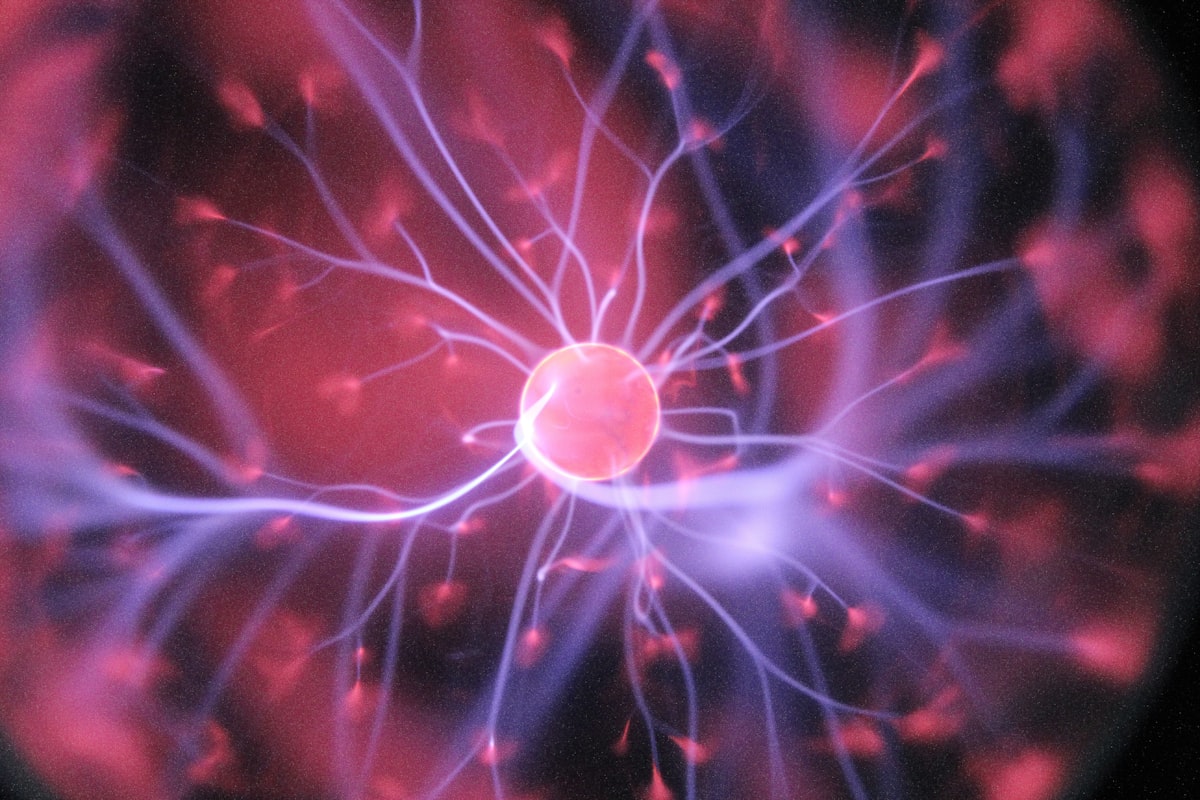
Neural Oscillations: The Gamma-Theta Phase Code
How does the biological brain hold discrete items in working memory without them bleeding together? Neurophysiologists Lisman and Idiart discovered the Theta-Gamma Phase Synchronization Code in the hippocampus and prefrontal cortex.
Slow theta brainwaves (4–8 Hz) define an overarching ~150–200ms processing cycle. Nested within each theta wave are individual fast gamma wave bursts (30–80 Hz, lasting ~25ms each). Each gamma sub-cycle represents one discrete item held in working memory. Because only 4 to 7 gamma cycles can physically fit inside a single theta wave period, the human brain is mathematically constrained to holding roughly 4 to 7 items simultaneously!
Working Memory Capacity and Fluid Intelligence ($g_f$)
Working Memory Capacity (WMC) is the single most powerful psychometric predictor of general fluid intelligence (Spearman's g_f). Studies by Randall Engle and colleagues demonstrate correlations as high as r = 0.70 to r = 0.85 between WMC tasks and abstract problem-solving tests (such as Raven's Progressive Matrices).
Individuals with high WMC do not just have larger memory buffers; they possess superior executive control of attention. They can lock onto task-critical goals while aggressively filtering out internal and external distractions.
Can You Truly Expand Working Memory Capacity?
The question of whether "brain training" can increase fundamental WMC has been fiercely debated. Large-scale meta-analyses (e.g. Melby-Lervåg & Hulme, 2013) demonstrate that while practicing specific working memory tasks (like the N-back or Sequence Memory) produces substantial Near Transfer (you get much better at that specific test), Far Transfer to generalized intelligence is minimal.
However, you can dramatically maximize your functional working memory through deliberate cognitive strategies: chunking raw data into meaningful units, offloading extraneous load onto external tools, and optimizing sleep and physical exercise to support prefrontal catecholamine levels.
- Working memory is an active executive workspace governed by Baddeley’s 4-component model (Central Executive, Phonological Loop, Visuospatial Sketchpad, Episodic Buffer).
- The capacity limit of 4–7 items is biologically governed by nested gamma-theta neural oscillations in the prefrontal cortex and hippocampus.
- Working Memory Capacity ($WMC$) correlates at r = 0.70–0.85 with fluid intelligence and complex problem-solving ability.
- While raw buffer capacity is largely genetic, functional working memory can be multiplied using chunking and cognitive load offloading.